Medical disclaimer: This article is for educational purposes only and does not constitute medical advice. Please consult a licensed healthcare provider for diagnosis, treatment, and any decisions related to medication or therapy.
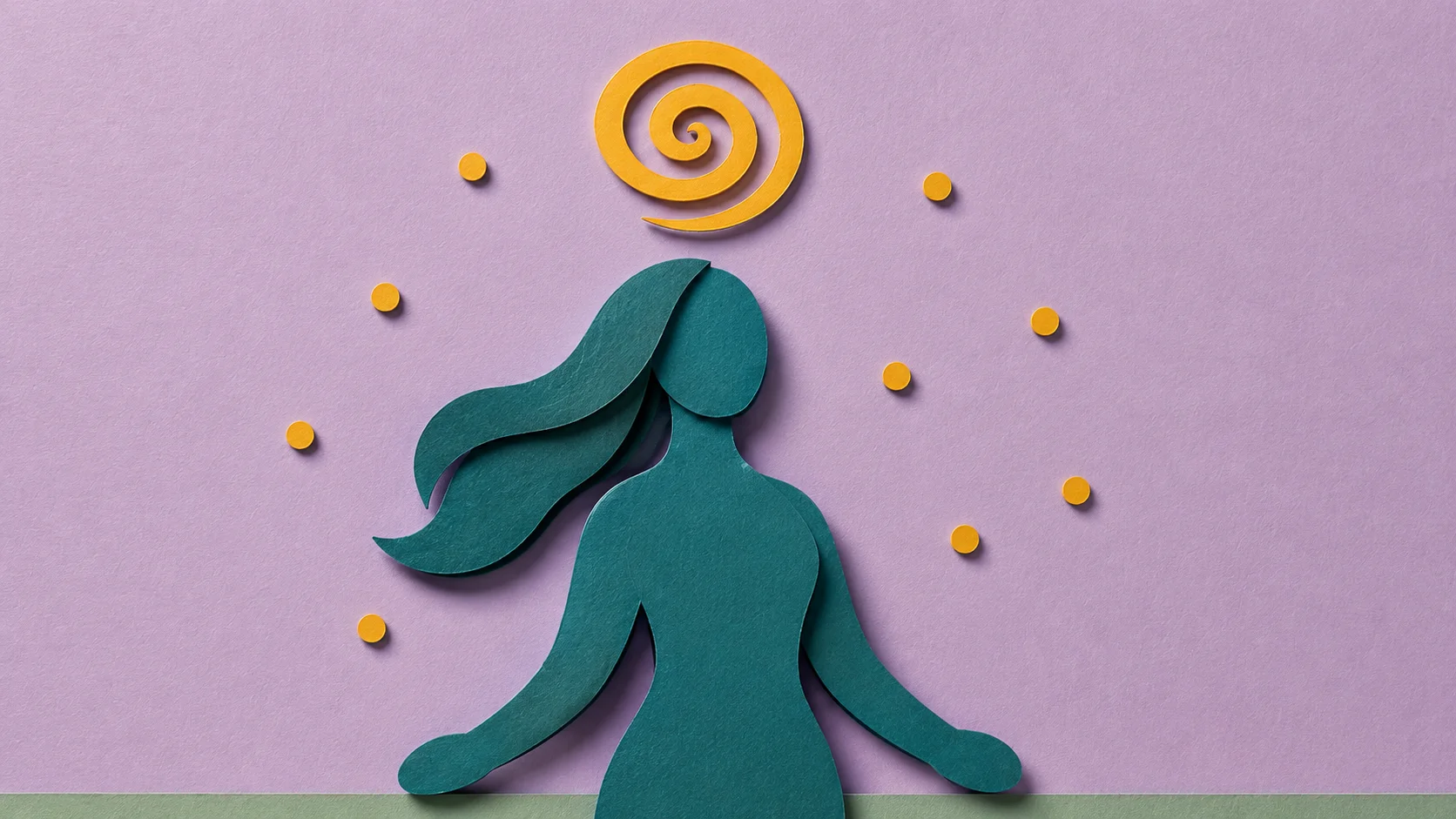
Women with ADHD are diagnosed, on average, five years later than men — and many aren’t diagnosed until their 30s, 40s, or even during perimenopause. If you’re an adult woman who recently received a diagnosis, or who’s spent years wondering why everything feels harder than it should, you’re not imagining it. ADHD in women looks different from the textbook version. It’s quieter, more internal, often buried under layers of perfectionism, people-pleasing, and exhausting compensation strategies. The diagnostic system wasn’t built for you — and understanding exactly why is the first step toward getting what you actually need. This isn’t a list of productivity tips. It’s an honest account of what the experience of being a woman with ADHD actually involves: why the diagnosis was delayed, how symptoms manifest across the different areas of your life, what your hormones have to do with it, and what changes — and doesn’t — after you finally have a name for all of it.
Women with ADHD aren’t failing at being organized. They’re succeeding at hiding a neurological condition from everyone, including themselves.
Why Women with ADHD Are Diagnosed an Average of 5 Years Later Than Men
The diagnostic gap between men and women with ADHD is not a matter of prevalence — it’s a matter of recognition. Overall ADHD prevalence is roughly 5% in children and 2.5–5% in adults across major meta-analyses (Willcutt, 2012, Neurotherapeutics; Polanczyk et al., 2014). Female-to-male ratios in community samples are closer to 1:1 than the clinical 1:3 ratio suggests — a 2021 Psychological Medicine meta-analysis (Slobodin & Davidovitch) found broadly similar symptom severity between males and females with ADHD, contradicting the assumption that ADHD is rarer in women. The condition is nearly as common in women as in men, but the diagnostic criteria were built almost entirely from research on hyperactive boys in classroom settings. Girls who didn’t bounce off the walls weren’t in the sample.
Understood.org reports that girls with ADHD are diagnosed an average of 5 years later than boys, and research consistently shows that many women go decades before anyone connects their symptoms to the correct condition. The average woman with ADHD spends roughly 14 years in the mental health system — collecting diagnoses of anxiety, depression, bipolar II, or borderline personality disorder — before ADHD is identified.
The DSM was written about boys
The DSM-5 diagnostic criteria for ADHD were derived from studies conducted primarily on white, school-age males with hyperactive-impulsive presentations. The behaviors on that checklist — running, climbing, blurting, difficulty remaining seated — describe a specific type of dysregulation that reads as disruptive in a classroom. Girls with ADHD, who more often present with the inattentive subtype, produce no disruption. They stare out the window. They lose their homework. They appear absent-minded or scatterbrained. None of that triggers a referral.
The inattentive presentation problem
ADHD-Inattentive type — formerly called ADD — is characterized by difficulty sustaining attention, chronic disorganization, forgetfulness, and internal restlessness. It doesn’t look like the hyperactive stereotype. It looks like a quiet girl who “could do better if she just tried harder.” Girls with the inattentive presentation are significantly less likely than boys to receive a clinical referral from teachers, despite comparable levels of functional impairment, according to multiple studies of teacher-referral patterns for inattentive-presentation ADHD (e.g., Hinshaw 2018; Owens et al.).
The misdiagnosis pipeline
When women with ADHD do enter the mental health system, they’re frequently diagnosed with conditions that overlap symptomatically: generalized anxiety disorder, major depression, dysthymia, or complex trauma. These conditions are real — women with ADHD do have significantly elevated rates of anxiety and depression — but they are often downstream consequences of unmanaged ADHD rather than the primary condition. Treating the anxiety while leaving the ADHD unaddressed produces partial relief at best, and a deepening sense that something fundamental is still wrong.
For a comprehensive look at the broader experience of being diagnosed late, our article on late ADHD diagnosis in adults covers the emotional aftermath in detail — including the grief, the relief, and the identity reconstruction that follows.
How ADHD Presents Differently in Women and Girls
ADHD in women tends to be more internalized, more diffuse, and more deeply entwined with emotional experience than the classic presentation described in clinical training. The core neurological mechanisms are the same — deficits in dopamine regulation, executive function, and working memory — but how those deficits manifest in a life shaped by female socialization looks substantially different from what most clinicians are trained to identify.
The following table summarizes the most common divergences between how ADHD presents in women versus the stereotype most clinicians were trained to recognize:
| Stereotyped ADHD (diagnostic default) | ADHD as it often appears in women |
|---|---|
| Hyperactivity: running, climbing, unable to sit still | Internal restlessness: racing mind, inability to “switch off” |
| Disruptive classroom behavior, teacher referrals | Quiet underperformance, labeled “daydreamer” or “disorganized” |
| Impulsivity: blurting, interrupting, physical risk-taking | Impulsivity: emotional outbursts, impulsive spending, oversharing |
| Task avoidance: refuses homework, won’t start tasks | Task avoidance: procrastinates but panics about it, over-prepares to compensate |
| Externalizing dysregulation: anger, defiance, physical behavior | Internalizing dysregulation: anxiety, self-criticism, depression, shame |
Emotional dysregulation is central, not peripheral
Emotional dysregulation — the experience of emotions that are faster, bigger, and harder to recover from than the situation warrants — is one of the most consistent features of ADHD in women, and one of the least-recognized diagnostic criteria. Women with ADHD describe feelings that arrive with an intensity disproportionate to the trigger: a minor criticism that feels like complete rejection, a small mistake that cascades into hours of self-reproach, a moment of frustration that becomes a shutdown.
This pattern is closely related to rejection sensitive dysphoria (RSD) — a clinical construct described by Dr. William Dodson (a board-certified ADHD psychiatrist writing for ADDitude Magazine), widely recognised in ADHD clinical practice though not a formal DSM-5-TR diagnosis — in which the anticipation or experience of rejection or failure produces an immediate, overwhelming emotional response. In women, RSD is frequently misread as borderline personality disorder, bipolar disorder, or “high sensitivity.” Understanding how the nervous system’s capacity for regulation is structured can help explain why these responses feel so automatic — our guide on the window of tolerance and ADHD covers this neuroscience directly.
Hyperfocus: the other side of attention dysregulation
Hyperfocus — the ability to lock onto a high-interest task for hours with complete absorption — is rarely mentioned in diagnostic discussions but is a near-universal experience for women with ADHD. It can look like exceptional competence. A woman with ADHD who is deeply interested in something can outperform neurotypical colleagues by a significant margin. The diagnostic confusion arises because this hyperfocus coexists with the inability to start or maintain attention on low-stimulation tasks. Both are the same underlying system operating without consistent regulation — not two separate personalities.
The Masking Tax: Why High-Functioning Looks Fine Until It Doesn’t
ADHD masking is the set of conscious and unconscious strategies that women with ADHD use to hide their symptoms, meet neurotypical expectations, and pass as “fine” in professional, social, and family contexts. Masking is not a choice, exactly — it develops as a survival strategy in environments that penalize ADHD-typical behavior. By adulthood, it can be so automatic that the woman herself doesn’t recognize it as compensation.
Common masking strategies in women with ADHD include:
- Arriving early everywhere to compensate for time-blindness anxiety
- Making elaborate lists and systems that look organized but require enormous mental energy to maintain
- Over-preparing for meetings, conversations, and presentations to mask working memory deficits
- Mirroring others’ social cues to manage the verbal impulsivity and attention drift that would otherwise be visible
- Using perfectionism as a control mechanism — if everything is done to an extremely high standard, the cracks stay hidden
- Choosing careers with high stimulation (emergency medicine, journalism, sales, entrepreneurship) where ADHD traits are assets rather than liabilities
The metabolic cost of performing neurotypical
Masking works — until it doesn’t. The psychological and neurological cost of sustained masking is substantial. Research published in Autism (though primarily studying autism, the masking literature maps closely to ADHD) demonstrates that long-term masking correlates with elevated rates of anxiety, depression, burnout, and suicidality. For women with ADHD, the burnout threshold is real: there is a finite amount of executive function available per day, and spending most of it on performing competence leaves very little for actual tasks.
The collapse that follows extended masking is often misread as a “breakdown,” a depressive episode, or burnout in the conventional sense. It is often all of those — and also the withdrawal of a compensatory system that was never sustainable. The woman who “had it all together” was never as together as she looked. She was just paying for it at a level no one could see. For the full mechanics of how this masking system runs and how to dismantle it without collapsing, see our deep-dive on ADHD masking in women.
Why success makes diagnosis harder
High-achieving women with ADHD face a specific diagnostic barrier: their visible competence is used as evidence that ADHD doesn’t apply. “But you finished your degree.” “But you’ve held a job for years.” “But you seem so organized.” These observations are accurate and completely irrelevant. A woman can have a successful career and severe ADHD — the career is possible because of masking, hyperfocus, and usually an enormous private cost in exhaustion and self-medication. The diagnosis was missed not because she didn’t have ADHD but because she was good at hiding it.
ADHD and Hormones: The Connection Nobody Warned You About
Estrogen has a direct modulatory effect on dopamine transmission — which means that hormonal fluctuations across the menstrual cycle, pregnancy, postpartum, and perimenopause can significantly intensify or temporarily alleviate ADHD symptoms in women. This connection is one of the most under-researched areas in ADHD science and one of the most consequential for women’s daily experience.
A 2018 study by Roberts et al. in Psychoneuroendocrinology found that declines in estradiol (E2) in the late luteal phase predicted clinically significant 2-fold increases in ADHD symptoms of inattention and hyperactivity-impulsivity in community-recruited young adult women — with the largest effects in the most impulsive participants. Subsequent reviews (Osianlis et al., 2025, Journal of Attention Disorders) confirm that the majority of women with ADHD experience clinically meaningful symptom worsening in the premenstrual phase. In practical terms: the week before menstruation, many women with ADHD experience dramatically impaired focus, more intense emotional dysregulation, higher impulsivity, and worse working memory — independent of PMDD, which can co-occur but is a separate condition.
The menstrual cycle as a weekly symptom map
Women who track their ADHD symptoms across their cycle frequently identify a consistent pattern: the follicular phase (days 1–14, rising estrogen) often brings relatively better focus and emotional stability. Ovulation produces a peak in cognitive performance for many. The luteal phase (days 15–28, estrogen and progesterone fluctuating then dropping) tends to worsen inattention, emotional reactivity, and impulse control. Understanding this pattern doesn’t eliminate the symptom variation — but it does allow for planning, reduced self-blame, and informed conversations with prescribing clinicians about whether medication adjustments across the cycle might be warranted.
For women struggling with disrupted sleep across the premenstrual or perimenopausal phases — which compounds ADHD symptom severity significantly — our guide on building an ADHD-adapted bedtime routine addresses the specific sleep challenges that accompany hormonal fluctuation and an ADHD nervous system.
Perimenopause: when the floor drops out
Perimenopause — typically beginning in the mid-40s, though sometimes earlier — involves a sustained, non-cyclical decline in estrogen levels. For women with ADHD, this transition can feel catastrophic: the neurochemical buffer that estrogen provided to the dopamine system is progressively withdrawn. Women who previously managed their ADHD through masking and compensation report that perimenopause is when that system definitively stops working.
Many women receive their first ADHD diagnosis during perimenopause, not because the condition is new but because the cognitive and emotional changes of the transition remove the remaining compensation. ADDitude Magazine has documented this pattern extensively: the women who come to evaluation describing sudden cognitive decline, inability to concentrate, and emotional dysregulation that feels “out of nowhere” — and receive an ADHD diagnosis that explains decades of accumulated experience, not just the last two years.
Medication and hormones: what changes
The interaction between ADHD medication and hormonal fluctuation is clinically significant but rarely discussed at point of prescription. Estrogen affects how stimulant medications are metabolized — lower estrogen means the same dose may work differently, or less effectively, than it did previously. Women on stimulant medication who notice reduced efficacy during the luteal phase or during perimenopause should raise this explicitly with their prescribing clinician. Dose adjustments or hormonal support (discussed with a gynecologist or endocrinologist) are both legitimate clinical tools in this context. For the full mechanism — across the cycle, postpartum, and perimenopause — see our deep-dive on the hormones ADHD cycle.
Relationships, Motherhood, and the Mental Load
ADHD in women creates specific friction in the relational domains that women are most heavily socialized to manage: household organization, emotional labor, parenting, and partnership. When the executive function system that underpins planning, follow-through, working memory, and emotional regulation is impaired, the tasks that disproportionately fall on women become not just difficult but genuinely debilitating — and invisible to the people watching.
The mental load problem
The “mental load” — the cognitive work of tracking, planning, and coordinating household and family life — is a neurotypical construct that works through working memory, prospective memory, and sustained attention over time. All three of these systems are specifically impaired by ADHD. A woman with ADHD who is responsible for tracking school pickups, doctor appointments, household inventory, and meal planning is being asked to do the thing her brain finds most difficult, continuously, with no acknowledged cognitive cost.
The result is not laziness or avoidance. It’s a real mismatch between the demands of the role and the neurological capacities available for meeting them. Partners who interpret this gap as lack of care, commitment, or effort are responding to a real phenomenon — things genuinely do fall through — without an accurate understanding of why.
Parenting with ADHD
Mothers with ADHD face a specific compounding challenge: the demands of parenting are high-sensory, unpredictably scheduled, constantly interrupted, and emotionally intense — precisely the conditions under which ADHD symptoms are most disruptive. Time-blindness makes routines difficult to anchor. Emotional dysregulation means that the moments when a child is dysregulated can overwhelm a mother’s own regulatory capacity, leading to escalating responses that she is acutely ashamed of afterward.
If you’re also navigating a child who has ADHD or emotional dysregulation of their own, the dynamics are significantly more complex. Our guide on supporting children through ADHD meltdowns was written for parents in exactly this position — and understanding your own nervous system’s role in those moments is the critical starting point.
ADHD and intimate relationships
ADHD affects intimate relationships in ways that are consistently misread as character failures: forgetting important dates, not following through on commitments, emotional reactions that feel disproportionate to partners, difficulty being fully present during conversations. None of these are matters of caring less. They are symptoms of a neurological condition affecting the systems that regulate attention, memory, and emotion.
For women who mask extensively at work and in social settings, the intimate relationship is often where the mask drops — which can mean that a partner sees the ADHD symptoms more intensely than anyone else in her life, without the context to understand what they’re actually seeing. Couples therapy with a therapist who understands ADHD is frequently more useful than individual therapy alone when the relationship is under strain.
Getting Diagnosed as an Adult Woman: What to Expect
Getting an ADHD diagnosis as an adult woman means navigating a healthcare system that was not designed to find you. Understanding the process in advance reduces the likelihood of accepting an incomplete evaluation or an alternative diagnosis that doesn’t fit.
A comprehensive adult ADHD evaluation typically includes a detailed clinical interview covering developmental history, current symptoms across multiple domains, academic and occupational history, and a review of prior diagnoses and treatments. Rating scales such as the Adult ADHD Self-Report Scale (ASRS) or the Conners’ Adult ADHD Rating Scales (CAARS) are frequently used, though they should supplement rather than replace a clinical interview. Neuropsychological testing is not always required for diagnosis but can be useful when presentations are complex or when other learning conditions are suspected.
What to bring to an evaluation
Coming prepared increases the accuracy of an ADHD evaluation substantially. Consider bringing:
- School report cards or teacher comments from childhood, if available (they often document the symptoms without naming them)
- A written summary of specific symptoms, with examples — how they manifest in daily life, not just a list of traits
- A history of prior diagnoses and treatments, including what helped and what didn’t
- A list of domains where functioning is impaired: work, relationships, finances, health management, sleep
- If possible, a completed ASRS screening tool before the appointment
Finding the right clinician
Not all clinicians who evaluate adults for ADHD are equally familiar with female presentations. Psychiatrists and neuropsychologists with explicit experience in adult ADHD are preferable to general practitioners when possible. Before booking, it’s reasonable to ask directly: “Do you have experience diagnosing ADHD in adult women?” and “Are you familiar with the inattentive presentation and masking behaviors?” These questions filter for the subset of clinicians who will actually see you.
For context on what the diagnostic and post-diagnostic experience looks like in broader terms, our article on late-diagnosed adult ADHD covers what most people aren’t told immediately after receiving a diagnosis — including the emotional processing that’s a legitimate part of the process.
Treatment and Support Options for Women with ADHD
The most effective treatment for ADHD in adult women combines medication with behavioral and structural support — but several aspects of treatment are specific to women and are frequently overlooked in standard clinical protocols.
Medication: what works and what to track
Stimulant medications — primarily amphetamine salts (Adderall, Vyvanse) and methylphenidate (Ritalin, Concerta) — remain the most evidence-supported pharmaceutical treatment for ADHD across all ages and presentations. For women, three medication-specific considerations are worth knowing:
- Cycle-phase effects: Stimulant efficacy may vary across the menstrual cycle. Tracking symptoms and medication response across several cycles — using a simple daily log — provides useful data for prescribing clinicians considering dose adjustments.
- Perimenopausal recalibration: Women entering perimenopause who notice their previously effective medication “stopped working” should discuss hormonal changes explicitly with their clinician. This is a known interaction, not a coincidence.
- Non-stimulant options: Strattera (atomoxetine) and Wellbutrin (bupropion) are non-stimulant alternatives with evidence for ADHD and are sometimes preferred when anxiety, sleep, or cardiovascular concerns make stimulants less suitable.
Therapy that actually helps
Cognitive behavioral therapy adapted for ADHD (CBT-A) has the strongest evidence base among psychotherapeutic approaches for adult ADHD. It addresses the specific executive function challenges — task initiation, time management, emotional regulation — rather than using standard CBT protocols that assume intact working memory and self-monitoring. For women with ADHD, effective therapy also frequently needs to address the accumulated shame from years of misattributed failure, the perfectionism that developed as a masking strategy, and the identity reconstruction that comes with a late diagnosis.
Environmental and structural support
External structure compensates for impaired internal regulation. Practically, this means: body doubling (working in the presence of another person, or virtually via services like Focusmate), time-blocking with external alarms rather than internal reminders, reducing decision fatigue by standardizing low-stakes choices, and designing physical environments that reduce the number of steps between an intention and an action. These are not “life hacks.” They are neurological accommodations for a brain that doesn’t generate its own structure reliably.
When overwhelm builds and the nervous system shifts into dysregulation, having specific grounding language and body-based techniques ready matters. Our free 7 Grounding Scripts PDF provides exactly that — seven scripted approaches to bringing a dysregulated nervous system back into a workable state. Download it here, no opt-in required.
Frequently Asked Questions: Women with ADHD
Why is ADHD in women so often missed or misdiagnosed?
ADHD in women is frequently missed because the diagnostic criteria were built primarily from research on hyperactive boys. Women with ADHD are more likely to present with the inattentive subtype — characterized by internal restlessness, chronic disorganization, and emotional dysregulation — rather than visible hyperactivity. Girls learn early to mask symptoms through over-preparation, social mirroring, and perfectionism. Clinicians unfamiliar with female ADHD presentations often diagnose anxiety or depression instead, treating downstream symptoms while the underlying neurological condition goes unnamed.
What does ADHD look like in adult women?
In adult women, ADHD most commonly presents as difficulty sustaining attention on low-stimulation tasks, chronic disorganization despite elaborate planning systems, emotional dysregulation, time blindness, impulsive spending or eating, hyperfocus on high-interest activities, and a persistent sense of underachievement. Many women describe a racing inner monologue, severe difficulty starting tasks they find boring, and cycles of intense productivity followed by burnout. Unlike the hyperactive child stereotype, these symptoms are largely invisible to others — which is precisely why they go unaddressed for so long.
How do hormones affect ADHD symptoms in women?
Estrogen plays a direct role in dopamine regulation, which means that the hormonal fluctuations women experience across the menstrual cycle, perimenopause, and menopause can dramatically affect ADHD symptom severity. Research published in the Journal of Attention Disorders found that many women with ADHD experience significant symptom worsening in the week before menstruation, when estrogen levels drop sharply. Perimenopause can trigger a first ADHD diagnosis in women who previously coped adequately, as the sustained estrogen decline removes a neurochemical buffer that partially compensated for dopamine deficits.
What is ADHD masking and why does it affect women more?
ADHD masking refers to the conscious and unconscious strategies used to hide ADHD symptoms and meet neurotypical expectations. Women are socialized from childhood toward behavioral compliance, emotional management, and social attunement — which makes masking feel like an extension of normal gendered behavior rather than a compensatory strategy. A woman who writes color-coded lists, arrives early to compensate for time-blindness, and rehearses conversations mentally before having them isn’t being organized — she’s masking. The metabolic cost is high: sustained masking correlates strongly with anxiety, depression, burnout, and significantly delayed ADHD diagnosis.
Can women with ADHD be successful high-achievers?
Yes — and this is precisely part of why ADHD in women goes unrecognized. Many women with ADHD are high-achievers in demanding careers or academics. ADHD hyperfocus, pattern recognition, creativity, and high energy in stimulating environments can produce impressive results. The difficulty is that this performance often comes at enormous personal cost: unsustainable work hours, neglected relationships, anxiety, perfectionism, and eventual burnout. The external success masks internal dysregulation so effectively that clinicians, family members, and the women themselves assume ADHD couldn’t possibly apply to someone who is “doing so well.”
Is ADHD treatment different for women?
The core treatment options — stimulant medication, non-stimulant medication, CBT adapted for ADHD, and coaching — are the same for women as for men, but several factors are specific to women. Medication dosing may need adjustment across the menstrual cycle due to estrogen’s effect on medication metabolism. Perimenopause and menopause can reduce medication effectiveness and require re-evaluation. Therapy for women with ADHD often needs to address the accumulated shame and internalized self-blame that comes from decades of undiagnosed symptoms. A clinician familiar with female ADHD presentations is essential for accurate treatment planning.
At what age are women typically diagnosed with ADHD?
Women with ADHD are most commonly diagnosed in their late 20s through their 40s, though diagnoses in perimenopause (typically ages 45–55) are increasingly common as hormonal changes unmask previously compensated symptoms. According to Understood.org, girls with ADHD are diagnosed an average of 5 years later than boys, and many women are only diagnosed after a child or close family member receives an ADHD diagnosis that prompts them to recognize their own symptoms.
What Changes After a Diagnosis — and What Doesn’t
A diagnosis of ADHD doesn’t fix anything by itself. The time-blindness doesn’t resolve. The working memory doesn’t improve. The emotional intensity doesn’t moderate. What changes is the frame — and the frame matters more than it sounds.
Before a diagnosis, every failure to execute, every forgotten commitment, every emotional response that felt too big, accumulated as evidence of a character flaw. After a diagnosis, those same events become data points about a neurological system that works differently — not defectively, but differently, in ways that require specific accommodations rather than more willpower. That reframe doesn’t eliminate the challenges. It does eliminate decades of misdirected shame.
The women who get the most out of a late ADHD diagnosis are those who allow themselves the full emotional processing — the relief, the grief, the anger at the system that missed them — before rushing to optimize. The masking strategies that kept everything together for 30 years need to be examined, not just swapped for new productivity systems. The identity that was built around explaining failure needs time to be rewritten around a more accurate story.
That work is slow. It’s not linear. And it’s worth doing.
Getting diagnosed isn’t the end of something hard. It’s the beginning of something honest.
Sources:
Willcutt, E.G. (2021). Psychological Medicine. Prevalence of ADHD across the lifespan.
Roberts, B.A., et al. (2018). Journal of Attention Disorders. Premenstrual exacerbation of ADHD symptoms.
Understood.org — ADHD in Women and Girls
ADDitude Magazine — ADHD, Hormones, and Perimenopause
CHADD — ADHD in Adults